
During the 1980s, Puerto Plata, which had its own airport, used it to attract budget tourists from Canada and Western Europe who stayed at the all-inclusive resorts in that area. Puerto Plata Airport also served the provincial city of Santiago, which was a one-hour drive away (but didn’t have its own large international airport at […]
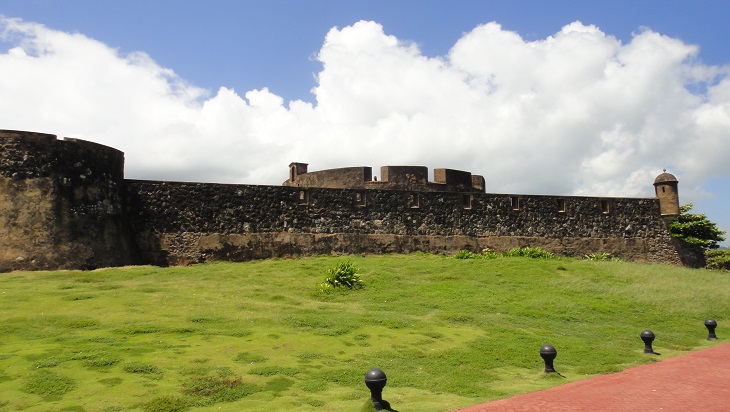
The gateway to the northern coast of the Dominican Republic is the provincial town of Puerto Plata, whose population is less than 300,000 residents. One tourist-friendly site in that town is the Spanish colonial Fortaleza San Felipe, which was built in the 16th century and was used as a prison under Rafael Trujillo’s dictatorship during […]
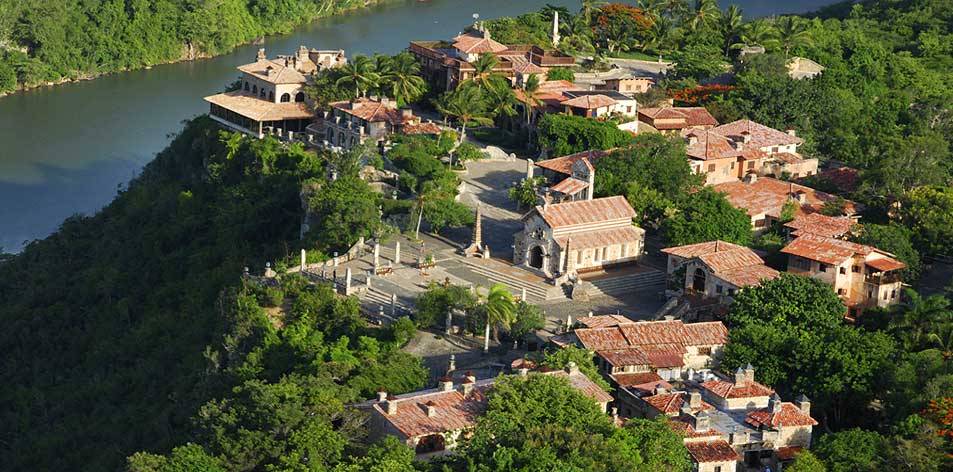
For all intents and purposes, “Casa de Campo” is the major attraction in this part of the island. A must see destination here is” Altos de Chavón”. This “village” was done replicating the 15th century colonial architectural style. It has many restaurants, a museum with Taino artifacts, and breath-taking view of the Chavon River. This […]
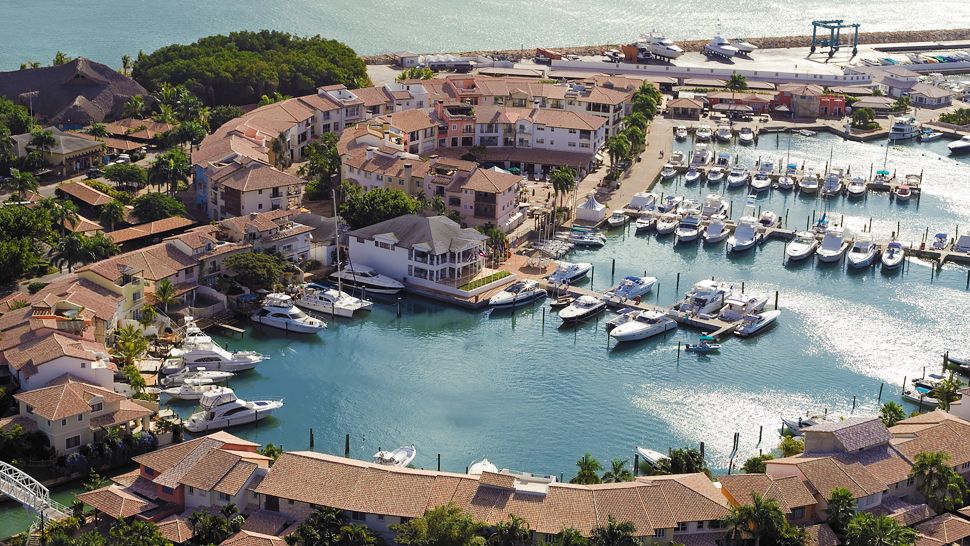
With “Casa de Campo” created to draw in wealthy visitors and investors, there’s a golf course and nearby golf villas on the grounds, polo grounds, as well as a marina. As a port destination, the Casa de Campo Marina is like no other in the Caribbean. The centerpiece of the Marina is the promenade, a […]
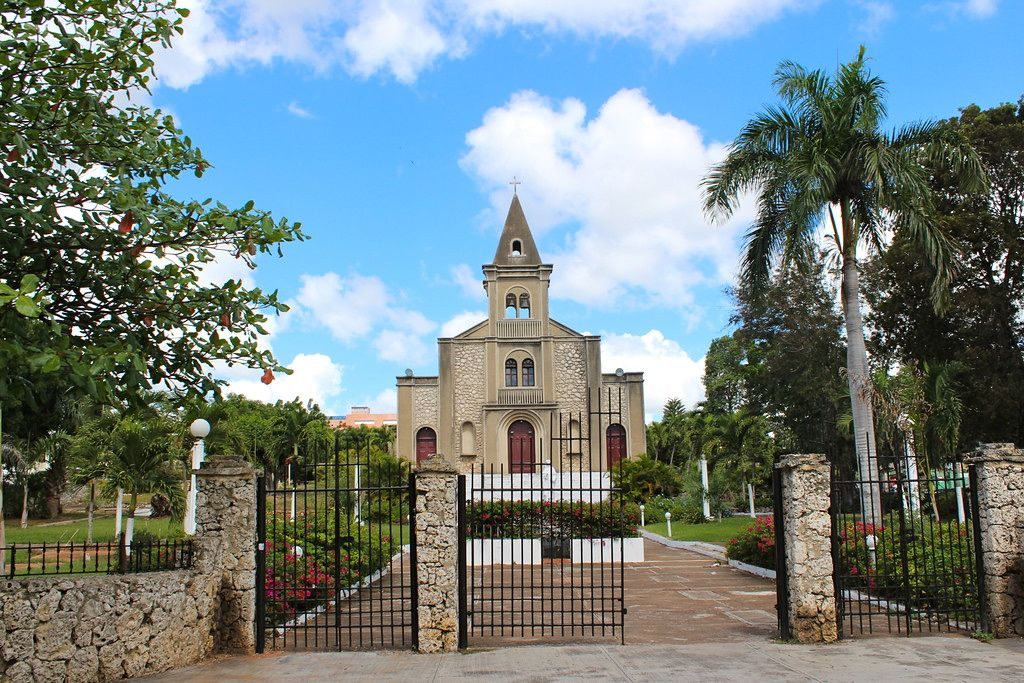
This provincial town in the southeastern part of the Dominican Republic was previously known for its main economic activity: sugar production, with abundant sugar cane fields in its outskirts. However, Austria-born American industrialist Charles Bluhdorn (who owned the American conglomerate Gulf +Western) bought sugar properties in that part of the country in 1967. By 1975, […]
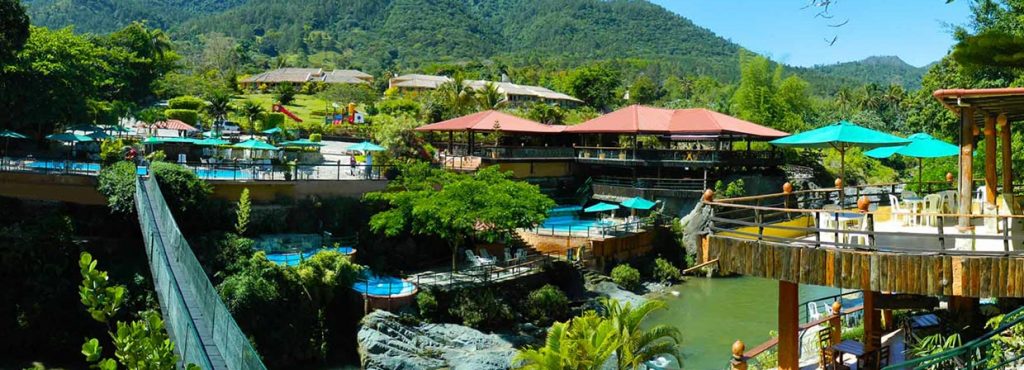
Backpackers and extreme sports enthusiasts who pass through Santiago and other northern areas of the Dominican Republic (like Puerto Plata and Cabarete) eventually find themselves drawn to the mountainous central areas of the island, such as the towns of Jarabacoa and Constanza – which have become major destinations for ecotourism. Such travelers stay in these […]
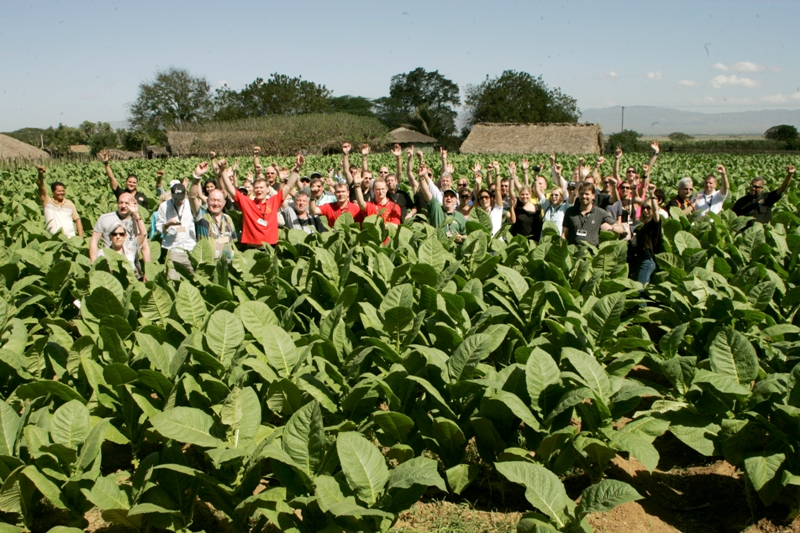
The region’s indigenous roots live on today in the form of tobacco production. Over the years, due to the U.S. trade embargo against Cuba, the U.S. cigar market has increasingly bought hand-rolled fine cigars from the Santiago region (a.k.a. El Cibao). E. León Jiménez’s best-known label is “La Aurora”. There are also foreign-owned cigar labels […]
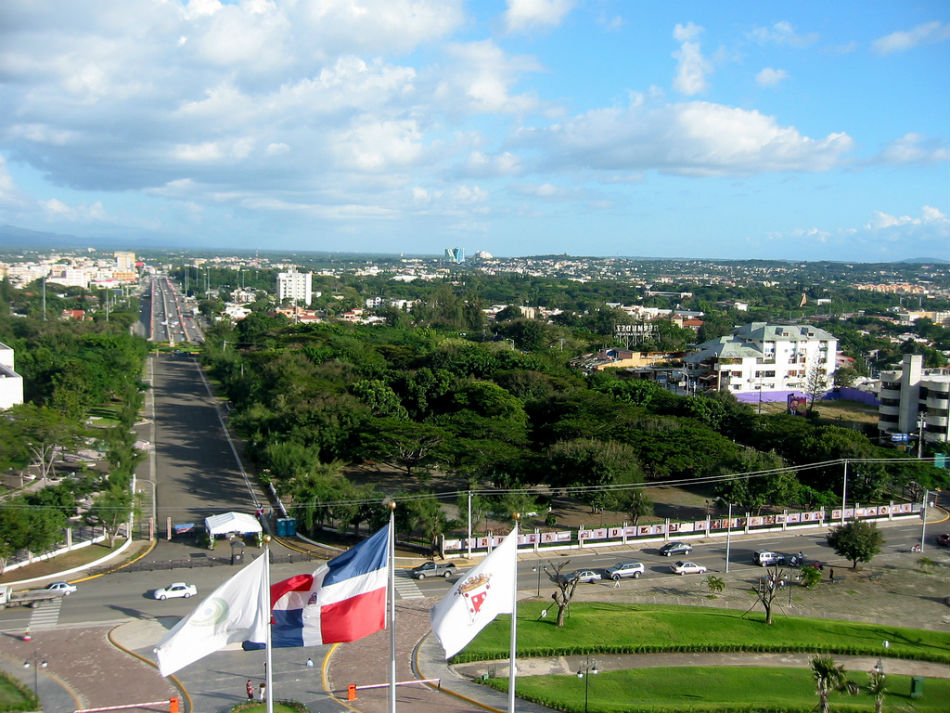
Santiago (a.k.a. Santiago de los Caballeros), the island’s second-largest city (with nearby two million residents) grew in importance thanks to the large presence of its former residents in the USA, especially in New York City (which has half a million Dominican immigrants, and New York-born Dominican residents there). The city’s airport, Aeropuerto Internacional del Cibao […]
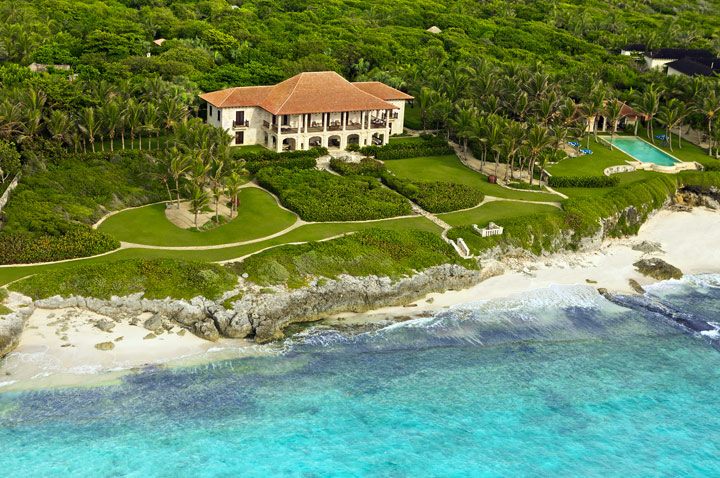
This is the easternmost part of the Dominican Republic. A once sparsely-populated part of the island, life gradually changed there when a group of local & international investors (headed by Dominican hotelier Frank Rainieri) built a then-boutique luxury resort called “PuntaCana Resort & Club” (PCRC) back in the 1970s. Since then, the small airport […]
NOTE ON DUTY-FREE SHOPPING IN ARUBA: Aruba is a virtual paradise for shopping visitors, with a wider selection of international brand name products than anywhere else in the Caribbean or South America, at pricing 10% – 35% lower than in the USA. South Americans may save even more, and European brands are usually better-priced here […]